
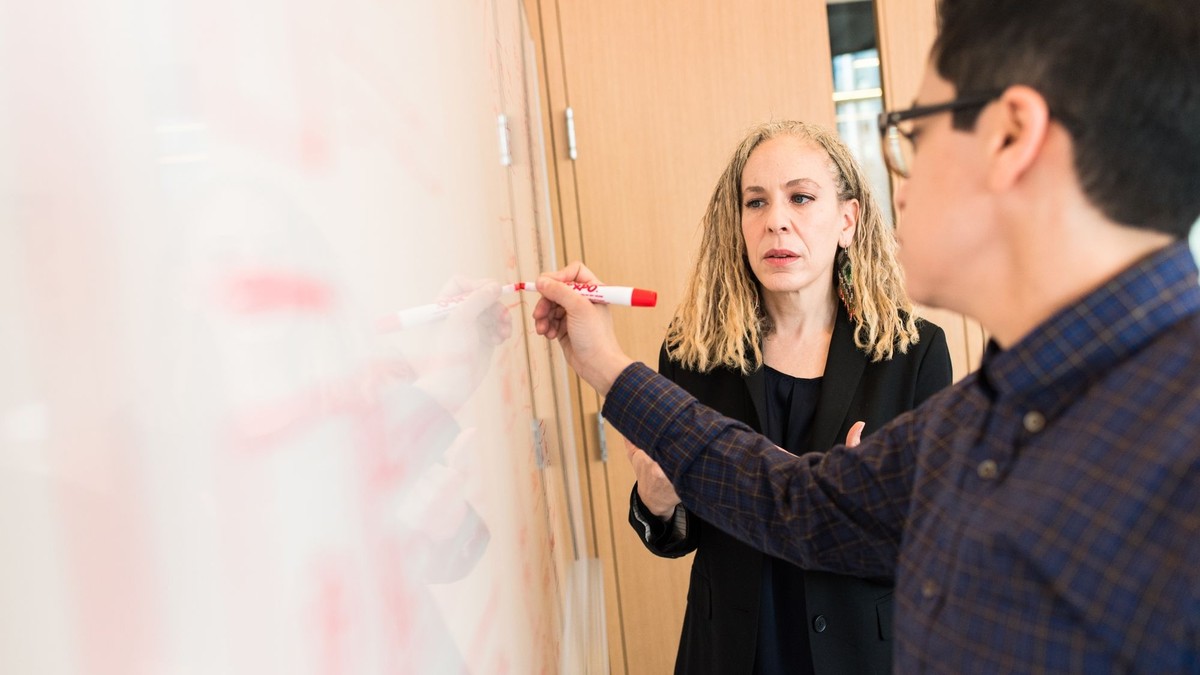
One of the most critical skills required to be a successful project manager is the ability to communicate effectively. As a project manager, you will be constantly communicating – with your team, with your bosses, with your clients. It is your responsibility to organize, plan and execute the project according to your client’s expectations. To do this, you will need to communicate with everyone involve to ensure everyone knows their responsibilities and their timeframe in which to complete them. Project communication skills involve receiving and processing feedback as necessary. For example, you may find that the project is exceeding the budget by 10%; as a project manager it will be your responsibility to convey that to the client and your leadership and work with them to find a solution.
Effective project communication skills will relay pertinent information, which is valuable to both team members and customers. When you are able to effectively pass on information, employees feel that they are informed about the current situation and their responsibilities and thus can complete their work with added confidence. When you take the time to communicate with them, especially face to face, you are also signaling to them that you value them and their time. This is also true with clients – when you are able to provide them with a clear status report or even questions that you have regarding their project, they will be confident they know what is going on.
The ability to communicate effectively is a universally desired skill and it is not exclusively related to project management. These tips are designed to help you improve your project communication skills and thus improve your ability to do your job.
- Effective communication ensures that everyone is on the same page about a project, understands the requirements and the steps needed to achieve the desired end result. When you are able to successfully communicate about a project, each team member involved is clear about what is expected of them and when they must be completed. This can prevent confusion about requirements as well as overlapping responsibilities, both of which can decrease productivity.
- Face to face communication is always the best method and should be used as frequently as possible. Physical barriers may make this impossible in some circumstances but if location is not an issue, you should make an effort to do this. Speaking in person is the most direct way to communicate with someone and will prevent any misunderstandings that can result in an email or phone call being taken out of context.
- The best way to improve your project communication skills is to improve your listening skills. In order to communicate with a person, you must first understand what they are saying (or asking) to you. This can be difficult when you are not interested in what they are saying or are too busy multitasking but it is important to take the time to really hear what is being said to you. This will provide you with the chance to understand problems that have arose or even
- Ask good questions. Make sure you are asking the right questions for the information you are looking for. This will help you to understand what is being communicated to you as well as clarify any unclear points. The key here is using the six basic questions – who, what, when, where, why and how.
- Too much information at once can decrease the effectiveness of your communication. Think about if someone called and rattled off 10 different problems they were having in quick succession. It would be difficult, if not impossible to fully process each of those 10 problems immediately and formulate a response. Therefore, don’t do the same to someone else. Think about what you need to convey and prioritize it. Be sure to communicate the most important aspects first and give the person on the other end of the conversation a chance to process.
- Be aware of cultural differences and language barriers. Especially in today’s workplace, it is important to remember that you are working amongst a variety of cultures and backgrounds – both internally and clients. By understanding their cultures and how they may differ from your, you can proactively avoid any misunderstandings or offenses. The same is true with language. While you won’t be required to become fluent on another language overnight, if you will be working with someone whose first language is different than yours, you must make sure what you are saying is being interpreted correctly.
- Be diplomatic when involved with conflicts. It is inevitable in any workplace that some personalities will clash. It is important for you to be aware of issues that arise and step in when necessary. While most issues are petty and will resolve themselves, some conflicts can become major issues in the workplace. You need to be able to step in and quell the problems without being viewed as taking sides. To do this, utilize some of the above tips (listen, ask good questions, etc) to determine what is the root of the issue and how to best resolve it.
- Provide feedback. Your team members want to know that you recognize the effort they put into a project and it is important to acknowledge them. This will serve to remind them that they are a valued member of your team and that their work is important to the project. On the flip side, it is also important to provide constructive criticism when needed. If there is something a team member could improve upon, you should be able to convey that to them so that they may improve themselves and the overall team.
Poor project communication skills can leave others feeling out of the loop about what is going on and discouraged that they are not a valued member of the team. This can lead to serious consequences in the work force, including high turnover rate of employees, poor customer service skills and diminished productivity. This can also lead to unsatisfied clients and weakened relationships with them. Since it is such a frequently used skill as a project manager, to be successful, you must always be working to improve your project communication skills.